
David Matheson’s candid conversation with Heather Gay in the first episode of ‘Surviving Mormonism with Heather Gay’
When Surviving Mormonism with Heather Gay debuted on Bravo and Peacock in November 2025, it immediately shifted the public conversation in Utah about faith, identity, and accountability. The limited three-part series, hosted by Real Housewives of Salt Lake City alum and Bad Mormon author Heather Gay, travels beyond celebrity memoir and reality TV to confront painful, often suppressed experiences from The Church of Jesus Christ of Latter-day Saints.
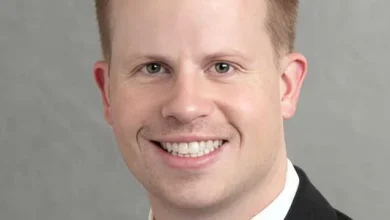
The first episode, titled “A Bad Mormon,” sets the tone for the entire series. At its center is an encounter that is as raw as it is historically significant: Heather Gay’s interview with David Matheson, a former Mormon therapist once nationally known for his role in so-called conversion therapy programs. Today, Matheson lives openly as a gay man — a reality that offers profound irony and insight given his past work.
For much of his adult life, Matheson was a devout member of the LDS Church and a respected figure among those seeking to reconcile so-called same-sex attraction with orthodox teachings. He helped lead programs, including Evergreen and Journey Into Manhood retreats, intended to help gay men change or control their desires, grounded in the belief that heterosexual marriage and commitment to church norms would somehow resolve those feelings.
These approaches reflect a long-standing tension within Mormon culture: on the one hand, the church’s recent statements acknowledge that “same-sex attraction” in itself is not a sin. On the other, acting on such attraction remains forbidden in church teaching, and past decades taught that heterosexual marriage could, or should, be the solution for LGBTQ members.
By the time the cameras rolled for Surviving Mormonism, Matheson had not only left behind much of that earlier work but also divorced his wife, come out as gay, and publicly rejected the teachings he once upheld. His participation in the documentary, especially as the opening voice, was a powerful choice by Gay and the production team, signaling that the series aimed to probe not just individual stories but systemic harm.
From the outset of their conversation, the emotional texture is unmistakable. Matheson, 61, speaks with vulnerability about both his past and present. He watches archival footage of his younger self promoting conversion therapy, and in that moment, he seems to confront not just external critics but his own memories and choices.
“I’m overwhelmed by the arrogance of the whole thing,” he confesses, a statement that captures both personal remorse and cultural critique.
“The arrogance of the whole thing” resonates on multiple levels. For Matheson, it’s an admission of the hubris inherent in trying to fix someone for being who they truly are. But it also reflects the broader presumption within many religious communities that identity can be suppressed, altered, or corrected through faith and therapy. For many viewers — especially LGBTQ former Mormons — those assumptions are familiar, painful, and often haunt long after leaving the church.
As the interview unfolds, Gay and Matheson discuss the psychological frameworks and church teachings that once guided his work. Matheson recounts being taught that emotional well-being and spiritual salvation were contingent upon suppressing homosexuality, and that heterosexual marriage would “fix” the perceived problem. “I get married,” he recalls, “and the bishop says, ‘It’ll go away when you start having normal sex.’ A year later I’m like, ‘It didn’t go away.’” AOL
His narrative lays bare a common experience for many queer Mormons of his generation: a cycle of hope and despair, spiritual longing and emotional pain. It’s a cycle that, for some, led to depression, self-loathing, and a sense of spiritual failure. Some were led to suicide, others to a lifetime of disdain for the church, their families, and even themselves.

One of the most striking segments of the episode is Matheson’s candid discussion of what his programs actually looked like. He describes exercises meant to address “male touch” and intimacy, in which participants engaged in guided physical closeness under strict rules. This was, he said, an attempt to reconcile basic human needs with religious morality.
“It’s kind of like letting the cat smell the salmon,” he jokes, as a metaphor that underscores just how confused, awkward, and potentially exploitative such practices were.
But there is nothing humorous about the deeper implications. Many gay Mormons, especially those who underwent his programs, will recognize that context: the tension between natural emotional needs and the rigid frameworks that labeled those needs sinful. In the interview, Matheson doesn’t shy away from acknowledging the harm caused, consciously or not, by these programs. His remorse isn’t performative; it’s deeply personal. He avoids defensive posturing, instead focusing on reflection and accountability.
This nuanced portrayal is crucial. Matheson is not presented as a villain in a simple morality play. Instead, he embodies the complexity of a system that shaped him as much as any individual choice did. Viewers see that he was both a perpetrator and a product of cultural forces that insisted LGBTQ identities were anomalies to be corrected. His willingness to face that history, in public and in a Utah context still dominated by LDS norms, is significant.
Heather Gay’s presence in the episode is more than that of a host. She entered this project with a personal history tightly bound to Mormon culture, having grown up in the church and written candidly about her own struggles with faith and belonging. In her memoir Bad Mormon, she chronicles how Mormon beliefs and community shaped her life and personal relationships. Surviving Mormonism builds on that foundation by creating space for others to speak truths that have often been marginalized or ignored.
In her conversation with Matheson, Gay listens with empathy but doesn’t shy away from tough questions. She invites accountability without delving into theology or doctrinal disputes. Instead, her focus is on experience. What did these practices feel like? What was the emotional cost? And perhaps most importantly, what does healing look like now? Her approach aligns with the series’ broader intent: not to litigate doctrine, but to humanize the individuals caught in its wake.
For Utah’s gay male community, Gay’s interview with Matheson is a rare and powerful invitation into a public space for stories often relegated to private pain. From the violence of conversion practices to the quiet suffering of internalized shame, these narratives have long existed in the margins. Surviving Mormonism brings them to the mainstream — and in doing so, validates experiences that many have carried in silence.
As the credits roll on the first episode, there’s no sense that the conversation ends. Instead, Matheson’s story becomes a prelude to the broader testimonies featured in subsequent episodes, including accounts of abuse survivors whose experiences reflect even deeper wounds tied to institutional silence and protection. Viewed together, the series makes clear that Mormonism’s impact on LGBTQ+ lives isn’t limited to marital expectations or conversion tactics; it carries emotional, psychological, and community consequences that persist long after individuals leave the church.
For many queer former Mormons in Utah, watching Matheson’s vulnerability unfold on screen is both painful and validating. Painful because it recalls familiar truths; validating because it affirms that these experiences matter and deserve acknowledgment. That healing isn’t just possible, it’s necessary.