

Come on, Dad, it’s 2023
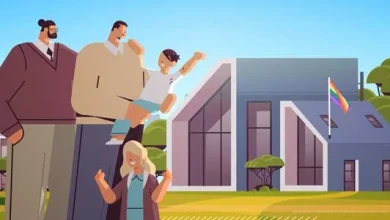
My son Niko has a new girlfriend. Before we had met her, I asked him if he had mentioned there was something a little different about his parents. “Yeah. She knows I have two dads.” Apparently, it was a non-event. Just as it had been with Gus’s now long-term girlfriend, I was told. It would appear that no one seemed to care.
As a matter of fact, several months earlier, Niko’s best buddy came by the house with his own girlfriend. First, he introduced Kelly as “Niko’s dad.” Then he introduced me as “Niko’s other dad.” Maybe I read too much into it, but from his tone, it sure seemed like he was trying to score some cool cred as the guy whose best friend has gay dads.
All this nonchalance made me wonder if the younger generations just find the whole “non-traditional” parent trope as blasé. I mean they are being raised in a very different time than their parents.
“We’ve seen an increased acceptance of the LGBTQ+ community thanks to increased visibility, representation in the media, and education,” Tonya Agnew, vice president of communications and marketing at Family Equality, an LGBTQ families’ advocacy group, told me. “While we still have a lot of work to do for full equality, legal advancements, including marriage equality, have also contributed to broader acceptance.”
And representation matters. Jen O’Ryan, Ph.D., an Inclusion, Diversity, and Representation strategist says, “It goes back to who is being represented and how. Millennials, Gen Z, and soon-to-be Gen A encountered very different representations of what it meant (or looked like) to be LGBTQ+.”
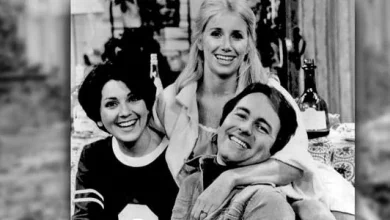
That’s very true. I mean, when I was a kid growing up, the only gay men we saw on television were Paul Lynde on Bewitched and Hollywood Squares and Charles Nelson Reilly from Match Game. And in both their cases, their sexuality was only implied, at best hinted at, with a knowing smirk. They were asexual, harmless clowns.
But that’s not true for the generations that have followed. Dr. O’Ryan added, “These younger Millennials and Gen Zers came up in a world with shows like Modern Family and Will and Grace, where the LGBTQ+ characters were shown as humans living their lives. Were these characters perfect depictions? No. But they introduced audiences to identities that weren’t limited to straight and cisgender.”
And they may be encouraging people to come out younger than ever before. According to a survey conducted last year by The Trevor Project, almost 35 percent of queer kids between the ages of 13 and 17 said they had come out before their 13th birthday. Maybe that’s because the world seems more accepting and open. The 2023 GLAAD Accelerating Acceptance report showed all-time support for gay rights. A whopping 84 percent of “non-LGBT Americans” now say they support equality – up 5 percent from just two years ago.
Policy advances have also helped. Younger generations saw major policy shifts from the dismantling of Don’t Ask, Don’t Tell and the legalization of national marriage equality. But they’ve also seen “Don’t Say Gay” and anti-trans legislation pass.
Are generations who have seen only progress and lived during times of equality going to be complacent in the face of a potential backsliding in rights? We can only hope not.
I think Gus summed up the blasé reaction to my question about their girlfriends’ reaction to the boys having two dads. “Come on, Dad, it’s 2023.” Let’s hope that spirit of acceptance continues into 2024 and beyond.
Have a great New Year, everyone.
You can learn more about Family Equality at their website familyequality.org and you can contact Dr. Jen O’Ryan at pagingdrjen.com.