Foster Fabulously
My maternal grandmother was an awesome woman. She was tiny but punched well above her weight class. She was a nurse; she spoke three languages; and she was a foster mom to over 90 children, many of whom were medically fragile. Whenever we visited her in Long Beach, there was always some kid staying there who was waiting for their forever home – either back with their biological family or a new one.
“Foster care is designed for children who cannot safely stay with their biological families, often due to abuse or neglect,” Gina Phillips, director of communications at Utah Foster Care tells me. “The primary goal of foster care is reunification, meaning the child is eventually returned to their home when it’s safe to do so. In Utah, children typically spend just over a year in foster care.”
According to the Human Rights Campaign, there are almost 400,000 children in foster care, an estimated 30% of whom identify as LGBTQ+. Here in Utah, there are nearly 2,000 foster children, but Phillips says they don’t collect specific data about whether or not a kid is LGBTQ+, but she does say that “based on broader trends and the climate in Utah, it’s likely that the state’s figures align with national patterns.”
No matter their sexual orientation, most of these kids have experienced trauma. It’s important that they are placed in a home that supports them for who they are. That’s an opinion shared by the Dave Thomas Foundation for Adoption. This group focuses on finding the right permanent families for those in foster care. Rita Soronen, president & CEO, says, “It’s important to place youth with a family that can meet their needs; that may be with a queer foster parent or parents, or adults who are not queer, but understand and support the youth and their identity.”
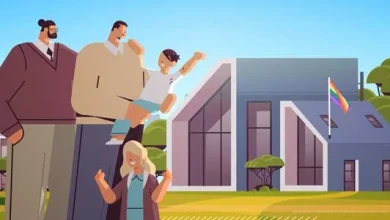
Whereas Utah Foster Care doesn’t have a specific program to place queer kids with queer parents, it does work to recruit LGBTQ+ parents through Pride events across the state and by partnering with community groups. Additionally, they train staff on being allies and using affirming language.

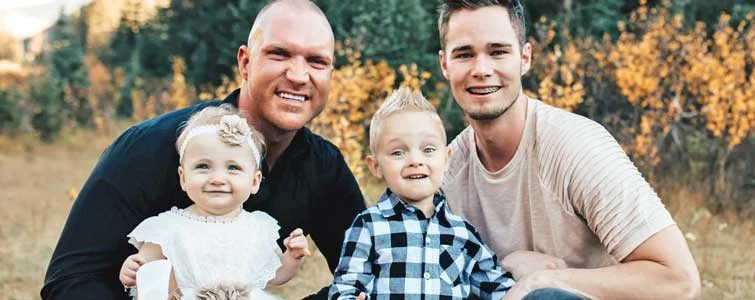
And the importance of LGBTQ+ people fostering queer kids cannot be underestimated. Phillips says, “Foster families can have a lasting impact on these young people’s lives. Queer adults, in particular, are often uniquely well-suited to care for children in foster care, as they may have faced similar challenges and stereotypes. They tend to be more open to supporting a child’s exploration of their non-traditional identity and often have valuable coping skills and a supportive community to offer.”
Being in “the system” is rough for any kid, but perhaps especially for queer kids. Seeing themselves in their foster parents may help make their lives a little easier. The Dave Thomas Foundation’s Soronen says, “Having foster and adoptive parents from the LGBTQIA community means that the LGBTQIA youth in foster care have an opportunity to be placed in a family where they feel safe and with a sense of inclusion and belonging. This can also help to begin addressing the trauma, grief, rejection, and loss that children in foster care experience.”
I have no idea if any of the nearly 100 kids my grandmother fostered were queer or not. As a matter of fact, I only met a few of them, and except for my cousin David, whom my late aunt adopted, I remember just a handful. What I do know is whether a kid lived with her for a few days or a few years, they had an awesome foster mom.
To learn more about becoming a foster parent or adoption, visit utahfostercare.org/lgbtq or davethomasfoundation.org