Will Pride flag ban cost Utah the Sundance Film Festival?
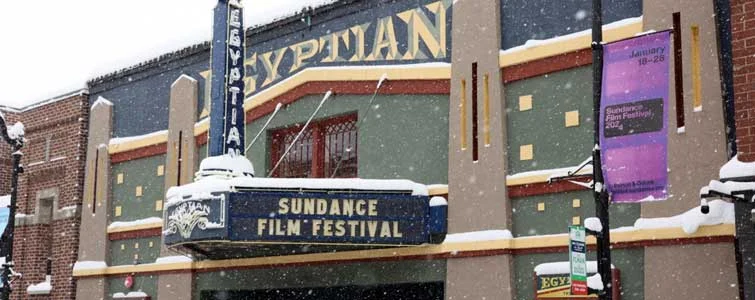
By the end of March or early April, the fate of the Sundance Film Festival’s next home should be public knowledge, with Salt Lake City/Park City, Boulder, Colorado, and Cincinnati competing to host the prestigious event for the next decade. A controversial bill heading to Utah Governor Spencer Cox’s desk — a measure that would ban the Pride flag in schools and state government buildings — could become a major obstacle to Utah’s chances of retaining the festival beyond 2026.
“What are they thinking?” asked a Sundance insider, referring to Utah lawmakers’ push to ban the LGBTQ+ flag, which initially allowed the Nazi flag in history classes before a loophole was closed. The question came after a virtual meeting between Utah leaders and members of Sundance’s selection committee. “Utah is Utah, but this goes to the heart of the community Sundance has worked years and years to develop.”
House Bill 77, sponsored by ultra-conservative State Rep. Trevor Lee and Sen. Daniel McCay, would allow only select flags to be displayed on government property, including the U.S. flag, the Utah state flag, Olympic flags, military flags, and university banners. The bill has sparked outrage among LGBTQ+ advocates, who argue that it directly targets marginalized communities. The ACLU and Equality Utah have condemned it as a “blatantly unconstitutional bill.”
ACLU Utah sent Cox a letter, urging him to veto HB77, calling it “another bill that would wield the government’s power to restrict and undermine free expression and dignity in our schools and public spaces.”
“The government should not be in the business of banning symbols that help people feel seen and welcomed,” the statement read. “Beyond stoking fear among LGBTQ+ Utahns, this bill sets a dangerous precedent that threatens free speech for everyone.”
Governor Cox, who has championed Utah’s bid to keep Sundance, recently secured $3 million in state funding for the festival. However, the passage of HB77 threatens to undercut those efforts. The bill’s restrictions on Pride flags stand in stark contrast to Sundance’s stated commitment to being a “vibrant, inviting, and inclusive festival.”
Can Utah overcome the backlash?
With blue-state Boulder gaining momentum as the strongest competitor, Utah’s bid has been shaken. Several sources have indicated that the bill has “caused concern” and “slowed” Utah’s momentum in the selection process. Some argue that the legislation is a political maneuver aimed at punishing Salt Lake City, the state’s progressive hub.
“This legislation, seemingly fueled by an ongoing dispute with Salt Lake City, strips away local control and targets the free expression of Utah’s communities,” EU leaders wrote in a statement. “In this political tug-of-war, LGBTQ Utahns have unfairly become collateral damage.”
Salt Lake City Mayor Erin Mendenhall, a longtime supporter of LGBTQ+ rights, responded forcefully to the bill’s passage. “Salt Lake City will never stop supporting our neighbors, including the LGBTQIA community,” she told Deadline, which first reported the story. “The power of amplifying voices and creating change through art is needed now more than ever.” A Pride flag currently flies at Salt Lake City’s main civic building, a quiet but firm act of resistance as the legislative battle unfolds.

Despite widespread criticism, Rep. Lee remains adamant that HB77 is simply about keeping government spaces “politically neutral.” When asked if the bill could hurt Utah’s chances of keeping Sundance, he dismissed the concern outright: “Not at all.”
Sponsor Sen. Dan McCay, R-Riverton, doubled down on the bill, even in the face of losing the Festival.
“Bye Felicia,” McCay posted on X in response to the Deadline article. “Sundance promotes porn. Sundance promotes alternative lifestyles. Sundance promotes anti-lds themes. Sundance does not fit in Utah anymore.”
Lee reposted McCay’s post with a photo of Salt Lake City flying an LGBTQ+ flag, saying, “The days of pushing political agendas on the taxpayers dime is over in Utah.”
What’s at stake for Utah?
Sundance is more than a cultural institution — it’s an economic powerhouse. According to the latest Y2 Analytics report, the 2024 festival generated $132 million in economic impact for Utah, supporting over 1,700 jobs and contributing nearly $14 million in state and local taxes. Losing Sundance would be a significant financial blow, not to mention a symbolic rejection of Utah’s ability to foster an inclusive artistic community.
Sundance Festival Director Eugene Hernandez has remained tight-lipped about the impact of Utah’s political climate on the final decision. “We’re still working through that process,” he said in a recent interview. “We hope to have a decision in place by end of March or early April.”