
Pride: From protest to party and back again
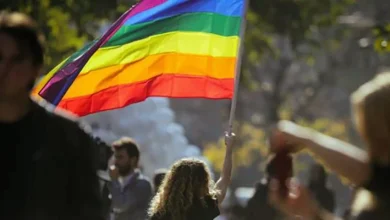
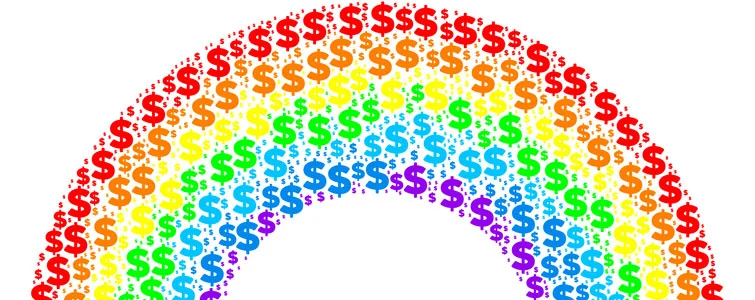
Every June, we drape ourselves in rainbows, gather in the streets, and celebrate how far we’ve come. But lately, something feels different. Pride, once a defiant protest born from bricks and blood at Stonewall, evolved into a global celebration: a party backed by corporate dollars, slick marketing campaigns, and rainbow-splashed capitalism. Yet today, as major brands step back from visible LGBTQ+ support, many of us are asking: Were they ever really with us? And what happens to Pride when the glitter fades?
The transformation of Pride from riot to revelry didn’t happen overnight. After the Stonewall Uprising in 1969, the first Pride marches in the 1970s were acts of sheer courage: raw, loud, and radical. Marchers weren’t asking for inclusion in the system; they were demanding that the system be changed. But over time, as social attitudes softened, so did Pride. By the 1990s and early 2000s, corporate interest in LGBTQ+ communities began to surge. Pride events became marketing opportunities. Companies like Target, American Airlines, and AT&T showed up with rainbow merchandise, floats, and sponsorships. Some of us cheered. Others worried about co-optation. But the money helped us throw bigger festivals, pay artists, fund local LGBTQ+ centers, and sustain nonprofits.
In Utah, where fighting for LGBTQ+ visibility has never been easy, that support was more than symbolic; it was survival. Corporate sponsorships allowed Utah Pride to grow from a grassroots gathering to a full-blown weekend celebration that draws tens of thousands. But that support, it seems, may have been more fragile than we realized.
This year, a growing number of major brands that once prominently waved the rainbow flag have gone silent. Whether it’s due to political backlash, economic caution, or a shifting PR strategy, their retreat is noticeable and painful. For example, several corporations that previously sponsored Utah Pride or Salt Lake City Pride were absent from the parade and festival this year, despite having donated in past years. The silence is loud.
And yet, through it all, some have stood firm. Absolut Vodka was the first major brand to advertise in a national gay magazine back in 1981, during the height of the AIDS crisis, when to support us was to take a real risk. Decades later, they still sponsor Pride and partner with queer artists and causes. Delta Airlines has been a regular supporter of LGBTQ+ initiatives and remains one of the few Fortune 500 companies consistently engaged in advocacy, not just visibility.

Locally, the story is even more inspiring. While the big names pull back, small LGBTQ-owned businesses in Utah continue to show up, because they are the community. This very magazine, founded and run by queer Utahns, has never wavered. Year after year, issue after issue, we have chronicled our stories, celebrated our wins, and mourned our losses. We’ve stood in the rain, danced in the sun, marched through angry protests, and published when money was tight and support was scarcer still. Our pride doesn’t come with a PR team. It comes with purpose.
So where does this leave us?
It leaves us at a crossroads. The retreat of corporate sponsors isn’t just a budgetary challenge; it’s a reminder that visibility without accountability is a hollow promise. That partnerships must be about more than logos on floats. That allyship means standing with us not just when it’s easy, but when it’s hard.
And it’s hard right now. In Utah, we’ve seen a wave of anti-LGBTQ+ legislation, from restrictions on inclusive flags in schools to attacks on transgender healthcare and curriculum. We’ve seen queer books banned from libraries and city leaders threatened for simply flying the Pride flag. These are not just political fights; they are existential ones.
Pride was born in protest. Then it became a party. Now, perhaps inevitably, we find ourselves circling back to protest. But this time, we bring with us the strength of decades of organizing, the lessons of both compromise and courage, and the resilience of a community that has never stopped fighting for its place in the world.
If corporations want to stand with us, truly stand with us, they are welcome. But the invitation isn’t to a party. It’s to the frontlines.
And if they walk away, we will still be here. Queer-owned businesses. Local artists. Drag queens. Trans activists. Youth groups. Elders who remember the closet. We will still be here.
Because Pride isn’t something you buy into, it’s something you live. And if this year has taught us anything, it’s that our most trusted allies are the ones who were never here for the optics. They were here because they, like we, know that being queer in Utah, or anywhere else, is still a revolutionary act.
Look through the two Pride issues we’ve put out and recognize the businesses that advertised to make sure we could publish, and that you would know they support us, even now.
So bring your protest signs. Bring your joy. Bring your truth. The party was fun, but the fight’s not over.
And we’ve always known how to do both.