Sundance leaves Utah, sparks debate over political climate
After today’s announcement that the Sundance Film Festival will leave Utah after more than four decades has sent shockwaves through the state’s cultural and economic landscape. While the nonprofit Sundance Institute insists the move to Boulder, Colorado, was based on logistical and growth considerations, many question the impact of Utah’s increasingly conservative politics — particularly the controversial HB77, which bans Pride flags from government buildings and public schools.
A Cultural Loss for Utah
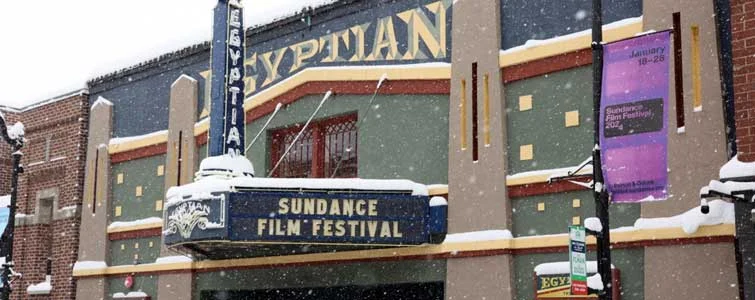
Sundance has long been more than just a film festival—it has been a beacon for independent storytelling, diversity, and inclusion. Park City’s snowy streets have played host to countless filmmakers and industry insiders, many from marginalized communities, who found a home in the festival’s commitment to elevating underrepresented voices. But as Utah’s legislature advances policies seen as hostile to LGBTQ+ and other marginalized communities, some within the film industry worry the state is losing its appeal as a creative hub.
The passage of HB77 has drawn sharp criticism from advocacy groups and members of the entertainment industry. The law, which prohibits the display of Pride and other “political” flags in public institutions, has been decried as an attack on LGBTQ+ visibility. While the Sundance Institute has not explicitly cited the legislation as a reason for leaving, an unnamed festival insider told Deadline that HB77 was “a terrible law, a terrible look for the state.”
Sundance Institute Chair Ebs Burnough responded to The Salt Lake Tribune‘s question of whether politics entered into the decision saying, “the short answer is no.”
“We’ve been in Utah for 40 years. We are not unaccustomed to the politics,” Burnough said. “We’ve dealt with all manner of politics before, so that’s not something that we’ve ever been afraid of or run away from. And it was not a major part of how we addressed this process.”
It’s difficult to imagine that statements from high-ranking Utah GOP leaders, such as State Sen. Dan McCay’s “Bye Felicia,” were entirely absent from the minds of those deciding on the venue change. McCay also took to X to declare, “Sundance promotes porn. Sundance promotes alternative lifestyles. Sundance promotes anti-LDS themes. Sundance does not fit in Utah anymore.”
Economic Fallout
Losing Sundance will likely deliver a significant blow to Utah’s economy. The 2024 festival alone contributed an estimated $132 million to the state’s GDP, with nearly 73,000 attendees—two-thirds of whom were from Utah. The festival also generated approximately $13.8 million in state and local tax revenue. Without Sundance, local businesses, hotels, and restaurants will feel the impact, particularly in Park City, where the event has been a financial lifeline during the winter season.
Governor Spencer Cox, who has supported keeping Sundance in Utah, called the decision to leave “a mistake.” While he stopped short of blaming the state’s political climate, his administration has already begun discussions about launching a new film festival to replace Sundance—one that “honors our legacy and writes the next chapter of independent film in Utah.”
A Trend of Exodus
Sundance’s exit mirrors a growing trend of progressive cultural institutions and businesses distancing themselves from Utah due to its political climate. In 2017, the Outdoor Retailer trade show left the state in protest over lawmakers’ opposition to the Bears Ears National Monument designation, only to return in 2023. Whether Utah’s leadership will take Sundance’s departure as a wake-up call remains to be seen.
Salt Lake County Mayor Jenny Wilson, who was one of Sundance’s original employees, lamented the decision, saying, “Our economy, local residents, and the broader film community benefited from Sundance’s presence. Unfortunately, the current leadership has lost sight of that legacy.”

Equality Utah released a statement saying “We feel a profound sense of loss that Sundance will no longer call Utah home. This departure leaves a void in our state’s cultural soul, particularly for LGBTQ Utahns, who found our struggles and triumphs mirrored in the festival’s courageous storytelling.
“We are immensely grateful for the way Sundance has lifted up these narratives, reminding us of the power of stories to heal wounds and forge understanding across divides. Utah is richer, more empathetic, and more whole because of Sundance’s legacy, and we will deeply miss its transformative presence.
“Moving forward, we all share a responsibility to ensure Utah remains a state that welcomes the world with open arms and hearts. The people of Utah have many stories yet to tell.”
Looking Ahead
As Sundance prepares for its final Utah edition in 2026, the festival’s move to Boulder signals more than just a change of venue. It underscores the shifting dynamics between arts institutions and the political environments they operate within. While Utah officials scramble to fill the void left by Sundance, the loss of America’s premier independent film festival may serve as a cautionary tale about the consequences of policies that marginalize communities central to the arts.